The Art of Making the Invisible Visible.

My early works trace how an image comes into being: through line, surface, revision, and density. The body functions as a measure of space and time rather than a motif. Already here, my interest in transitions and in images that shape the conditions of seeing becomes clear.

Harald Grünauer - Body in color space, earlier work

Earlier Works

Gallery: Time Body 2006

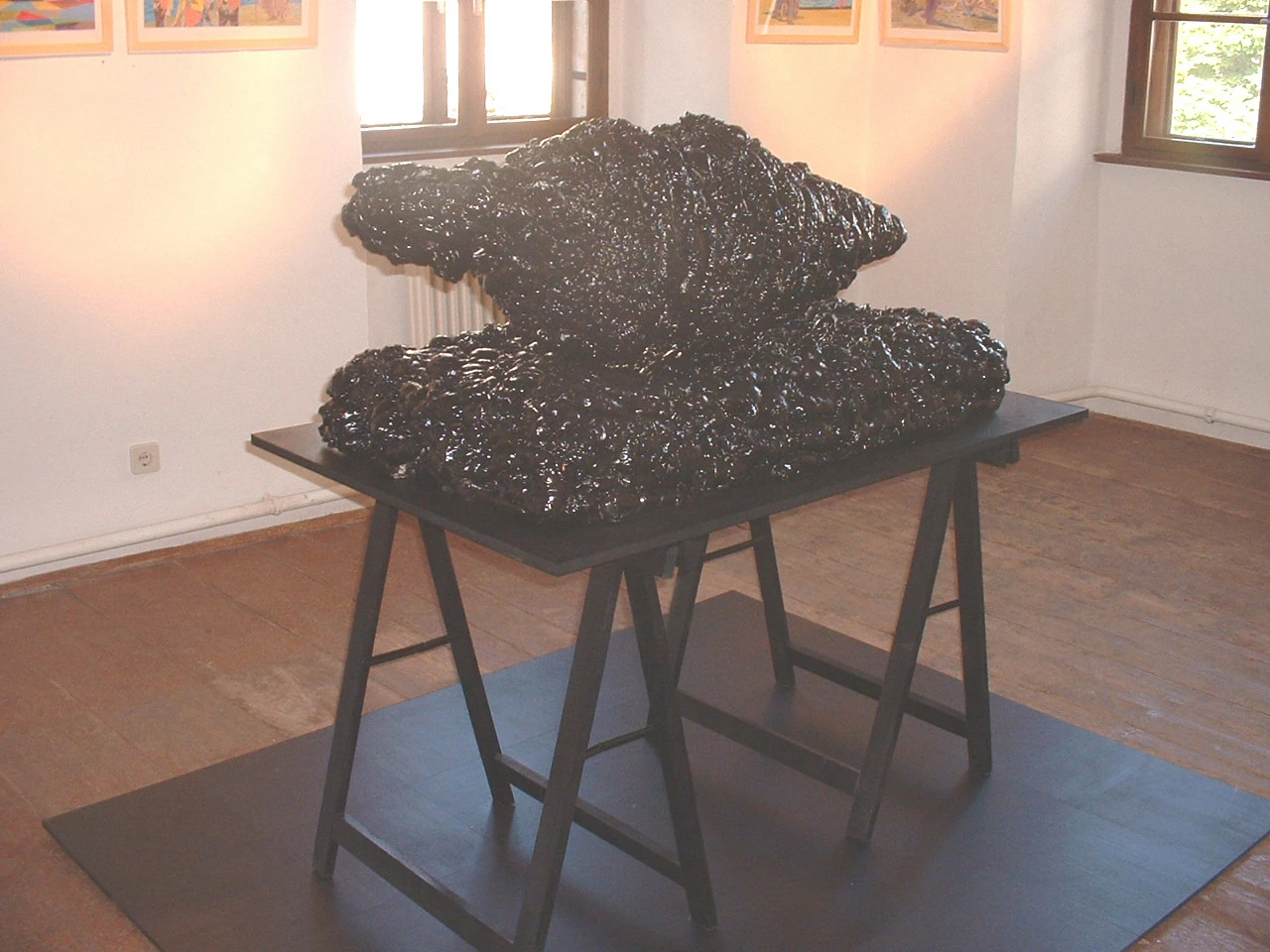
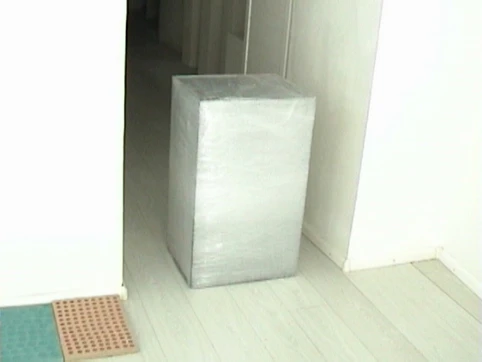
Time Body 2006

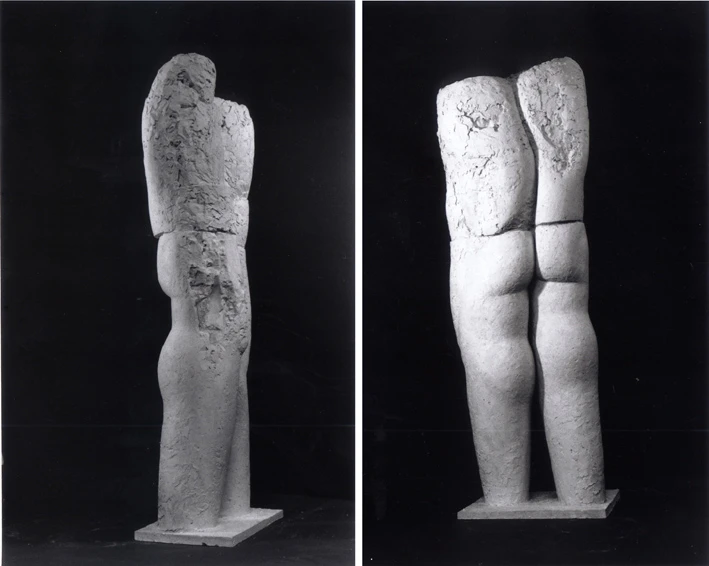
“Time Body” is a monumental work in painted Styrofoam, whose organic form and dynamic surface create a tangible presence. At 150 cm high, 170 cm wide and 100 cm in diameter, the sculpture turns the abstract concept of time into physical experience. Its irregular texture, built through layering and painting, holds stability and movement at once, as if the flow of time had been frozen in material form. Made in 2006, the work belongs to a key group of early pieces in which volume, surface and light served to make intangible ideas — time, memory, transformation — perceptible.

View Series
Gallery: Figure Protocols 1998-2005

Figure Protocols 1998-2005

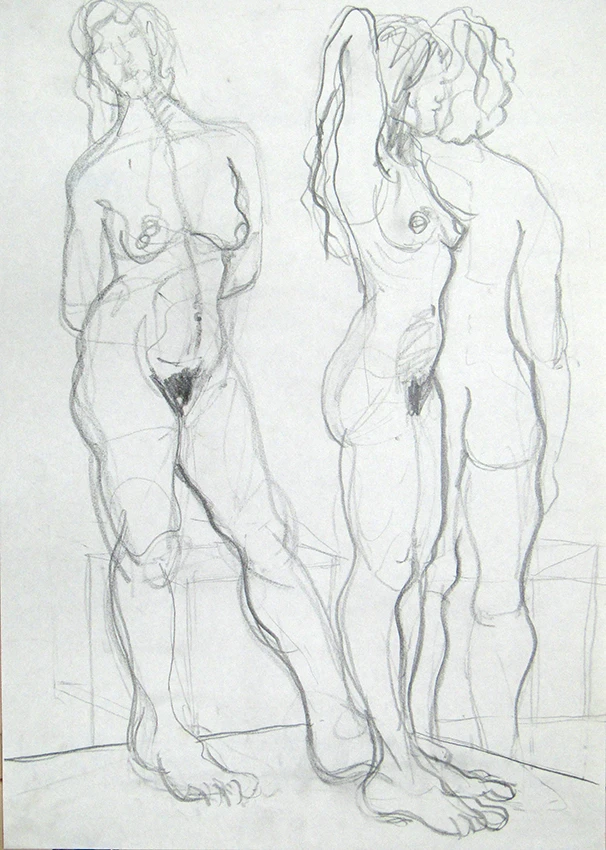
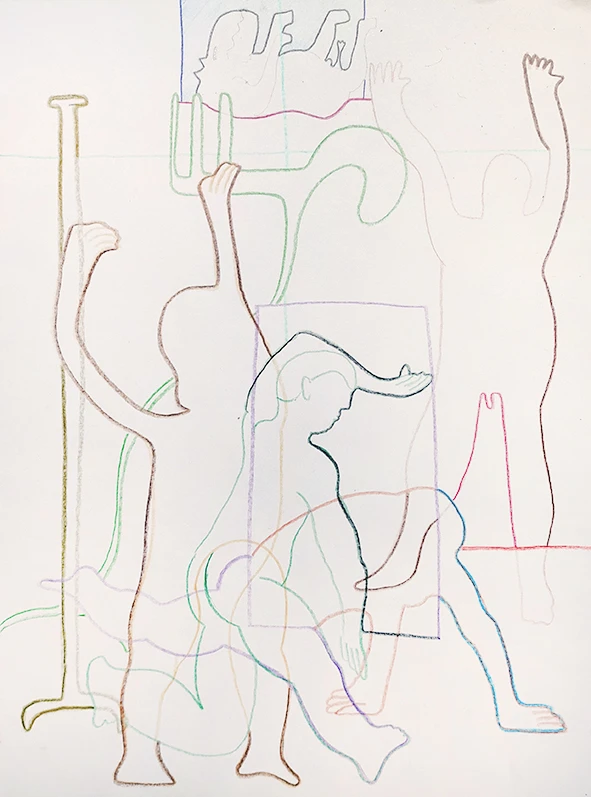
This series gathers nude studies as direct records of looking. The line seeks no polished contour; it registers weight, shift and tension, often in several overlapping attempts. In the openness of these traces, time itself stays legible — hesitation, correction, sudden clarity. The body serves as a measure of space and rhythm, with nothing added by way of narrative. The series gathers fifty drawings in pencil on paper, 58 × 41 cm, made between 1998 and 2005. For seven years the work pursued a single question; it is the most extensive series in the entire body of work. Pencil hides nothing. Every correction remains beside the line it corrects, every hesitation is recognisable as an interruption. The sheets therefore show not the result of looking but its course – hence the word protocol in the title. The body here is not a motif but a measure. Proportion, weight and rotation can be tested against it because any deviation shows at once. What was worked out on the figure across those seven years returns in the later abstract works: there without the figure, but with the same attention to tension and balance.

View Series
Gallery: Body Fragments 1998–2003

Body Fragments 1998–2003

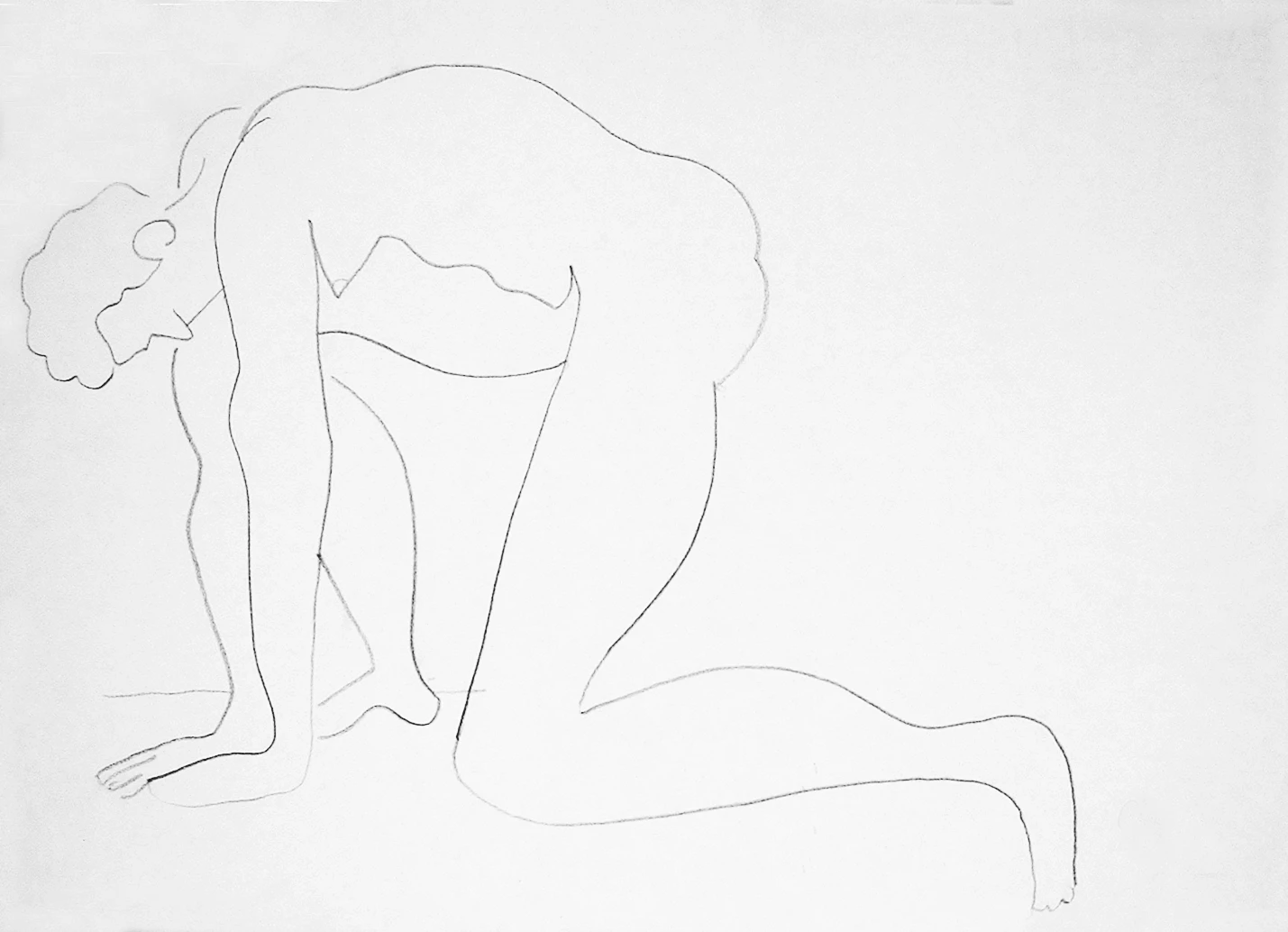
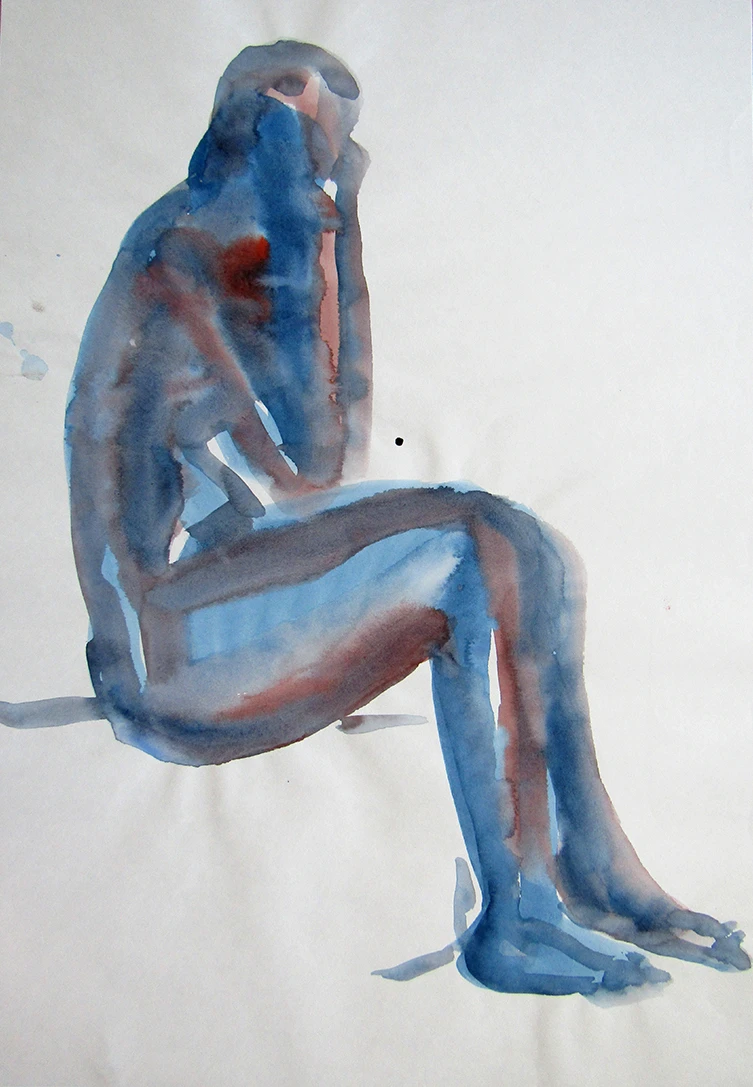
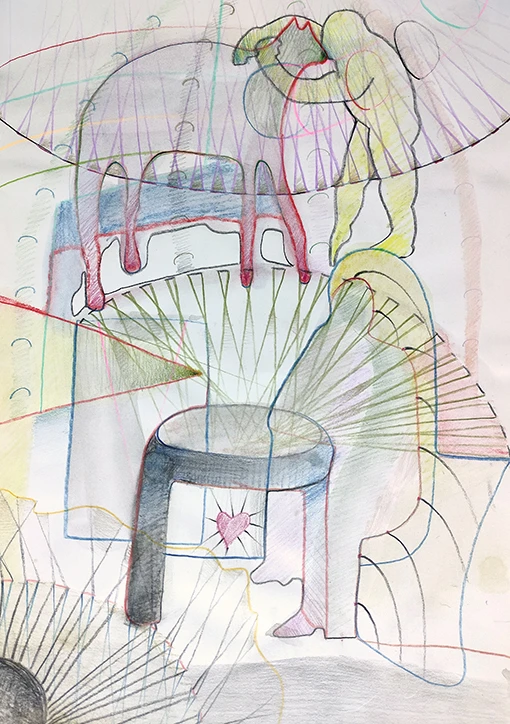
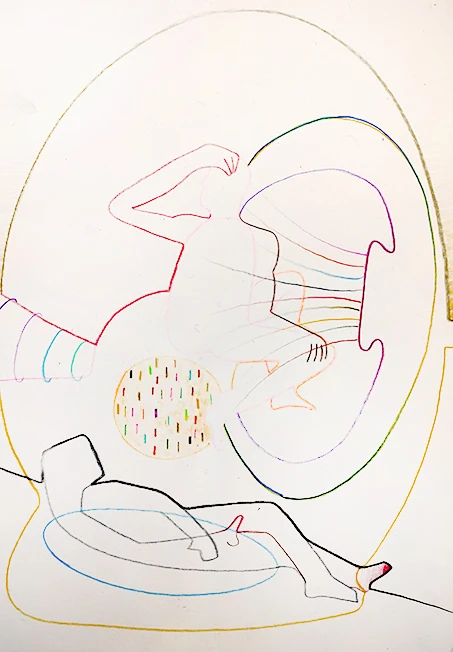
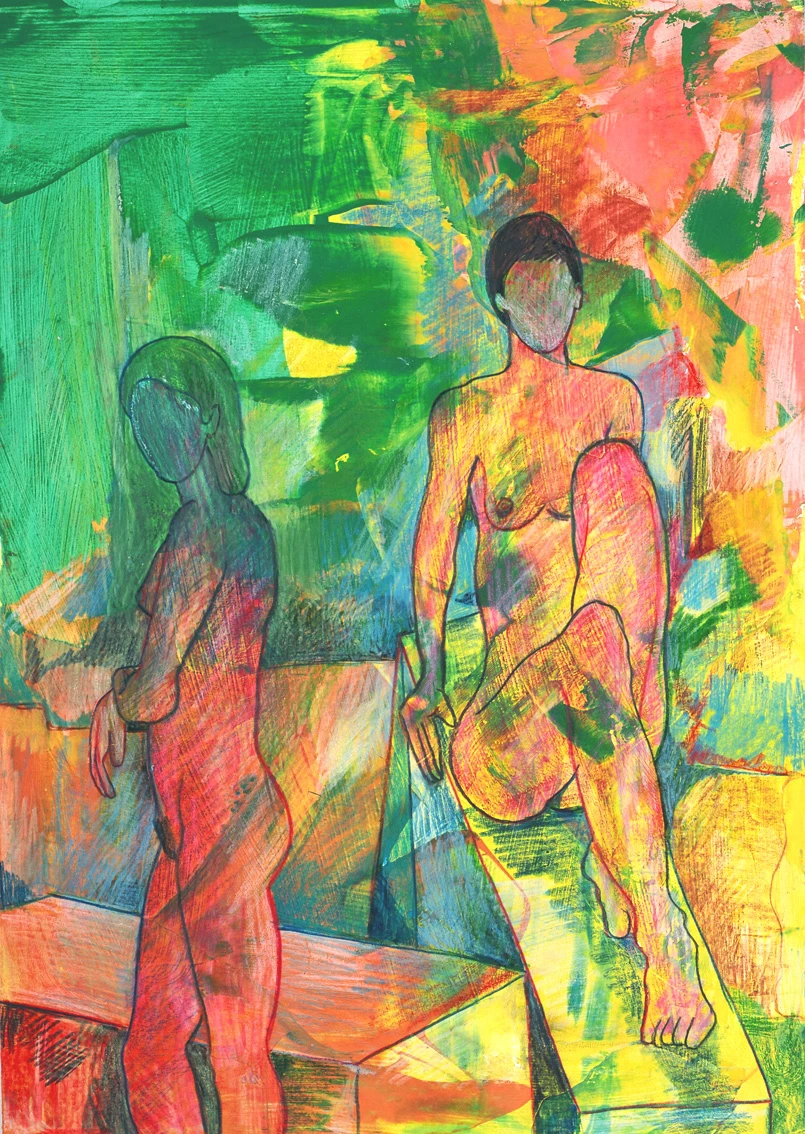
“Body Fragments” approaches the nude through states rather than contour and anatomy: weight, balance, compression, dissolution. Colour carries the body like an atmospheric field in which forms overlap and fall apart again. The figure reads more as event than image, a brief concentration of presence against the white of the paper. This early body of work already shows the interest in transitions — in the moment when movement and perception themselves turn into image.

View Series
Gallery: Faces and Voices 1997–1998

Faces and Voices 1997–1998

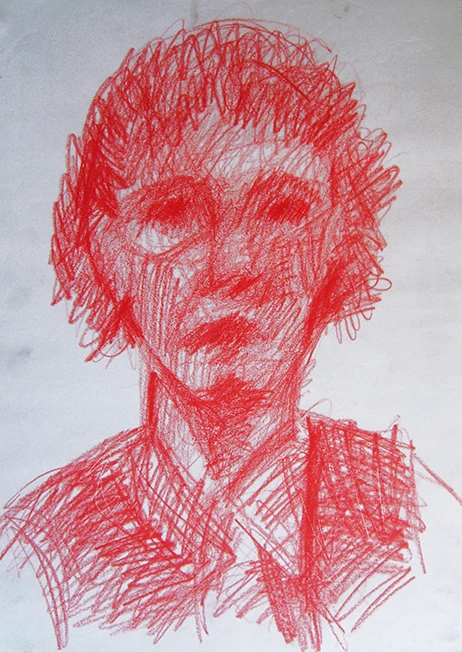
The series Faces and Voices shows an intense engagement with the human face as an expression of inner states. Each portrait holds individual emotions, character traits and fleeting moments of presence and mood. Colored pencil, graphite and ink produce varied densities and textures that give the figures a tangible, almost physical existence. Made between 1997 and 1998, these works document an early path toward a sensitive and at the same time direct handling of expression and gesture.

View Series
Gallery: Archetypes and Allegories 1995–1996

Archetypes and Allegories 1995–1996

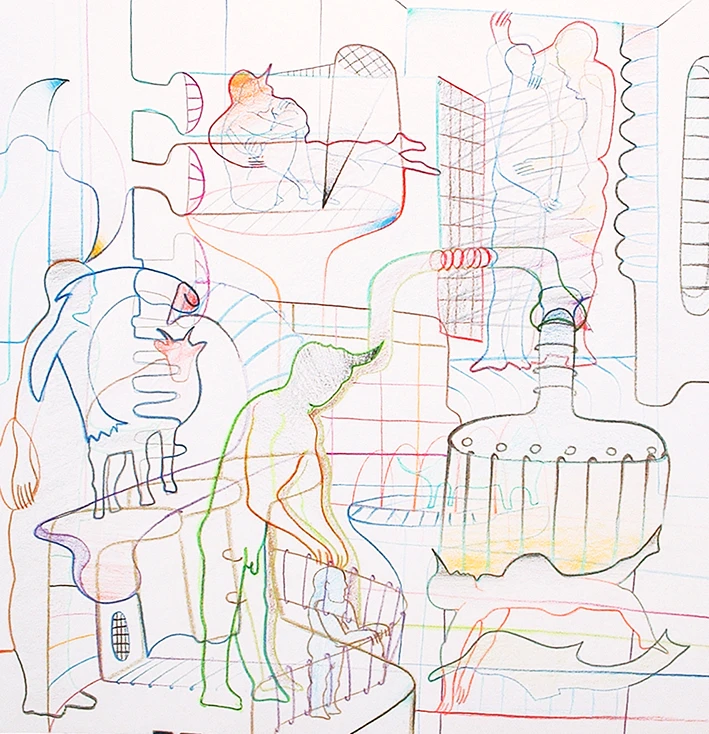
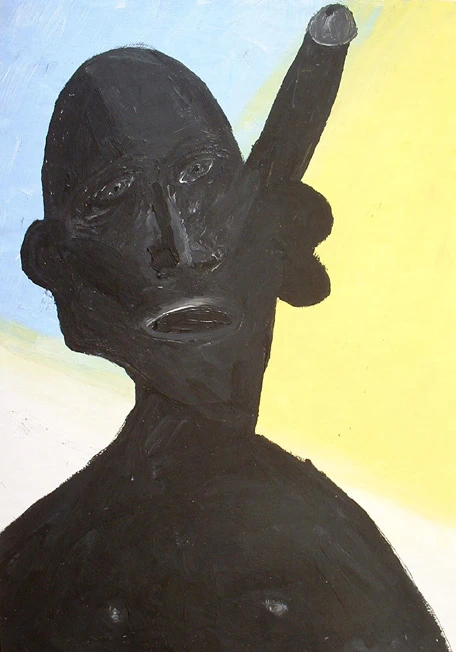
“Archetypes and Allegories” brings together works in which human, animal and hybrid figures meet in vividly expressive compositions. The sheets carry a surreal, narrative quality, evoking archetypal characters from myths and stories while holding symbolic meaning. Vibrant colour and dynamic arrangement produce scenes that oscillate between reality, dream and allegory. The series stands for an early search for a visual language for the psychological, social and mythological structures that shape human life and coexistence.

View Series